The Animator’s Survival Kit PDF: A Comprehensive Guide
The Animator’s Survival Kit PDF offers a treasure trove of animation wisdom, blending classic principles with modern techniques. It serves as a portable reference, enabling artists to refine timing, squash‑and‑stretch, and character design on the go. Its concise layout and clear diagrams empower artists to master fundamentals now.
The Animator’s Survival Kit PDF serves as a foundational guide, offering concise yet comprehensive coverage of animation fundamentals. Its clear illustrations and step‑by‑step explanations help both novices and seasoned artists refine timing, motion, and character design. Practical drills and reference charts boost now confidence!

The Animator’s Survival Kit PDF is a definitive resource for animators, condensing decades of industry knowledge into an accessible format. Authored by renowned educator Richard Williams, the book builds on the original print edition’s legacy, offering updated insights while preserving core principles that have shaped the medium. The PDF retains the original layout, with high‑resolution images, step‑by‑step diagrams, and concise explanatory text guiding readers through motion, timing, and character design fundamentals. Each chapter focuses on a specific animation aspect, from pose‑to‑pose drawing basics to secondary action and anticipation. The text emphasizes observation, encouraging artists to study real‑world motion and translate findings into expressive, believable animation. Throughout, Williams interweaves practical exercises that challenge readers to apply concepts immediately, reinforcing learning through repetition and experimentation. The document includes a comprehensive glossary of terms, ensuring newcomers grasp industry jargon. By combining theory with hands‑on practice, the PDF serves as both a reference guide and a structured curriculum, enabling progress from foundational concepts to advanced techniques at one’s pace. Whether used as a classroom supplement, personal study tool, or quick reference during production, the Animator’s Survival Kit PDF remains indispensable for mastering animation. The PDF’s layout drills make it a favorite among students todaynownownow professionals alike!!

For animators, the PDF is a living textbook that bridges theory and practice. It distills complex motion concepts into bite‑size lessons, allowing artists to dissect timing, weight, and anatomy without the overhead of a book. The concise, diagram‑rich pages make it easy to reference specific frames or poses during a shoot, saving time and reducing the risk of miscommunication with directors or artists. By presenting exercises that mirror production challenges, the PDF encourages iterative learning—practice, critique, refine—mirroring the iterative nature of animation pipelines. Its portability means that whether you’re sketching on a tablet, reviewing a storyboard in a studio, or teaching a workshop, the material is always at hand. Moreover, the PDF’s structured progression ensures that beginners build a foundation before tackling topics like secondary action or nuanced character personality. This scaffolding reduces frustration and accelerates skill acquisition. For seasoned professionals, the PDF serves as a refresher on fundamentals, a source of inspiration for fresh ideas, and a reliable reference during deadlines. In short, the Animator’s Survival Kit PDF is essential because it consolidates years of expertise into an accessible, flexible format that supports continuous growth, collaboration, and excellence across all levels of animation work. today!!
Animation thrives on continuous learning; this guide embodies that ethos.
By revisiting foundational principles, artists sharpen both craft and creativity.
Its clear diagrams reduce cognitive load, allowing focus on motion.
The PDF’s portability ensures that reference material is always nearby.
Students can integrate lessons into daily practice, accelerating skill growth.
Experienced animators find the concise summaries useful for quick refreshers.
The guide’s emphasis on observation encourages motion in every frame.
Ultimately, the PDF empowers creators to bring stories to life.

Accessing the PDF Version
To obtain the Animator’s Survival Kit PDF, visit the official publisher’s website or authorized digital platforms. Purchase or download the licensed copy, ensuring you receive a secure, high‑resolution file. Avoid unauthorized sources to respect copyright and support the author’s work. The PDF is compatible with all major readers.!
When seeking the Animator’s Survival Kit PDF, the most reliable route is through the publisher’s official digital storefront or the author’s authorized distribution partners. In 2024, the book’s publisher, Animation Resources Inc., offers a direct download after purchase, ensuring you receive the latest version with all updates and corrections. The PDF is available in multiple formats—standard, high-res, and a version optimized for e‑readers—so you can choose the one that best fits your workflow. Additionally, many reputable online marketplaces such as Amazon Kindle, Google Play Books, and Apple Books provide the PDF as part of their e‑book catalog, often bundled with supplementary materials like video tutorials or interactive worksheets. For students and educators, academic institutions frequently license the PDF for classroom use, granting access through library portals or learning management systems. It is essential to verify that any source you use is licensed and that the file’s integrity is intact; look for a digital signature or checksum provided by the publisher. By sticking to these official channels, you not only protect yourself from piracy but also support the continued development of high‑quality animation resources. Moreover, official sources often offer customer support, allowing you to report issues or request assistance with installation or compatibility. Finally, keep an eye out for promotional events or bundle deals, as publishers sometimes release discounted versions during industry conferences or academic semesters, providing a cost‑effective way to acquire the PDF while staying up to date with the latest instructional content. Stay current. Learn now

2.2 Legal and Licensing Considerations
When acquiring the Animator’s Survival Kit PDF, it’s crucial to respect copyright law and the author’s licensing terms. The book is protected under international copyright agreements, meaning that unauthorized copies—whether downloaded from peer‑to‑peer sites or shared via unlicensed links—constitute infringement. Legitimate purchases grant you a non‑exclusive, personal‑use license, allowing you to view, annotate, and share the file only with individuals who have also purchased it. Commercial use, such as incorporating the PDF into a company training program or distributing the file to a large audience, requires a separate license. Publishers typically offer bulk or institutional licenses for educational institutions, studios, or training centers; these agreements often include additional benefits like access to supplemental video content, updates, and support. When using the PDF in a classroom, instructors must ensure that each student has a valid license, or the institution must obtain a site license covering all users. Moreover, the PDF may contain embedded multimedia or interactive elements that are protected by separate licenses; modifying or extracting these components without permission can violate the terms of use. Always review the end‑user license agreement (EULA) that accompanies the download, as it outlines permissible actions, restrictions on redistribution, and the duration of the license. If you plan to adapt the material—such as translating it into another language or creating derivative works—contact the publisher for a derivative license. By adhering to these legal guidelines, you protect yourself from potential litigation, support the creators, and contribute to a sustainable ecosystem for animation education. Respect the law, respect the craft. The licensing terms also support collaborative use by offering clear attribution rules, ensuring that all participants receive credit while safeguarding the author’s rights fully.

The PDF showcases high‑resolution illustrations, interactive diagrams, and searchable text. It bundles practice sheets, animated GIFs, and downloadable worksheets. Users can zoom, bookmark, and annotate, making it ideal for study, reference, and classroom use. It also allows layer‑by‑layer zoom and PDF annotations for study quick!!
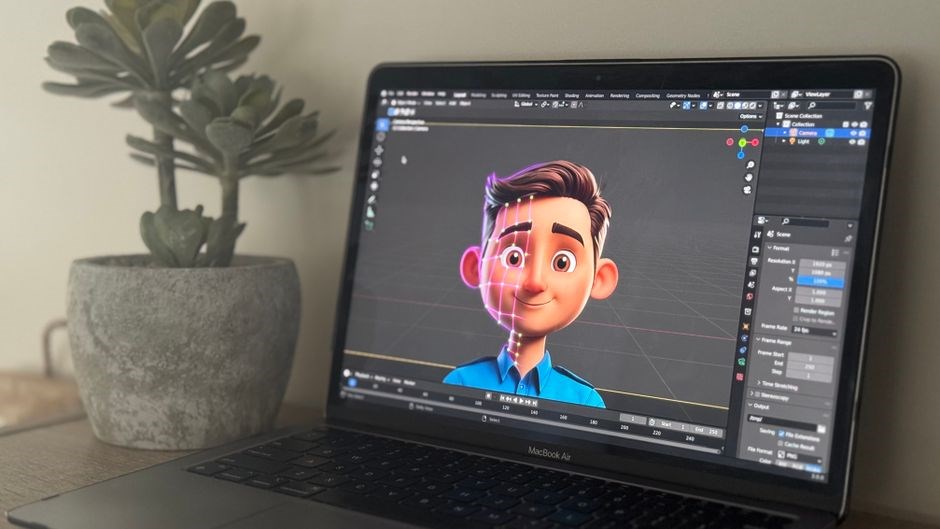
3.1 High-Quality Illustrations
The PDF version of The Animator’s Survival Kit presents a visual feast that elevates learning. Every illustration is rendered with meticulous detail, capturing the subtle nuances of motion, weight, and timing that are essential for believable animation. The high‑resolution images ensure that even the smallest line work remains crisp, allowing students to study the fine gradations of a character’s expression or the precise arc of a limb. By zooming in, learners can dissect complex poses, observe the interplay of overlapping action, and appreciate the careful balance between exaggeration and realism. The layout of the illustrations follows a logical progression, guiding the reader from foundational concepts—such as the 12 principles of animation—to advanced techniques like secondary action and follow‑through. Each diagram is accompanied by concise annotations that explain the underlying theory, making it easy to connect visual examples with the principles they illustrate. Moreover, the PDF’s interactive features enable users to toggle layers, view motion paths, and even watch short animated clips embedded within the document. This dynamic approach transforms static images into engaging learning tools, helping animators internalize timing, spacing, and the rhythm of movement. The quality of the artwork not only serves an educational purpose but also inspires creativity, encouraging readers to experiment with their own styles while staying grounded in proven techniques. Whether used as a quick reference on set or as a comprehensive study guide, the high‑quality illustrations in the PDF provide an indispensable resource for animators at every stage of their career. Ideal for studios.!!

3.2 Interactive Elements
sliders allow users to manipulate timing curves, adjust frame rates, and instantly see how subtle changes affect the rhythm of a sequence. Illustrations can be toggled on and off, revealing underlying motion paths, keyframes, and secondary actions that would otherwise remain hidden in static images. A built‑in quiz system tests comprehension after each chapter, providing instant feedback and encouraging spaced repetition. Users a can annotate directly on the PDF, adding personal notes, marking areas for revision, or highlighting techniques that resonate. The document’s search function is enhanced with keyword tagging, enabling quck retrieval of specifc concepts such as “squash and stretch” or “anticipation.” For collaborative learning, the PDF supports shared annotations, allowing instructors to comment on student work or peers to provide constructive critique. These interactive elements not only reinforce theoretical knowledge but also foster a hands‑on mindset, making the PDF an indispensable companion for both novice animators and seasoned professionals seeking to refine their craft. By integrating these tools into practice, animators can experiment with timing, refine character dynamics, and iterate quickly, ultimately elevating the quality of their projects while staying aligned with industry standards and creative vision.

Using the PDF for Learning
Leverage the PDF’s structured lessons to build a solid foundation. Follow the step‑by‑step tutorials, practice the exercises, and use the embedded quizzes to test understanding. Consistent review of key concepts, combined with hands‑on drawing, accelerates mastery and keeps skills sharp. Practice daily, revisit chapters. and learn.!
4.1 Structured Lesson Plans
Each lesson is organized into clear objectives, key concepts, visual examples, and actionable tasks. By following a step‑by‑step progression, learners can build confidence in timing, weight, and movement before tackling more complex scenes. The structure encourages incremental skill development, allowing students to master fundamentals before advancing.
Daily practice routines are suggested, with time‑boxed exercises that reinforce the material. These routines help maintain consistency, ensuring that foundational techniques are internalized. Learners can track progress by comparing early sketches to later iterations, gaining insight into growth over time.

Supplementary resources, such as reference sheets and quick‑look charts, are provided to support on‑the‑go review. These tools enable quick reference during studio work, making it easier to apply learned principles in real projects. The lesson plans also include self‑assessment checkpoints, prompting critical reflection on technique and style.
Students are encouraged to document their progress through a digital portfolio, capturing key moments from each exercise. By reviewing these snapshots, they can identify recurring patterns and areas for improvement. Additionally, peer feedback loops foster collaborative learning, allowing classmates to critique movement, timing, and expression. This iterative process solidifies mastery and promotes continuous growth.
Finally, the curriculum emphasizes real‑world application. Students storyboard, animate, and render short sequences, then present them to a critique panel. This bridges theory and practice, ensuring readiness for professional work.
4.2 Practice Exercises
Practice exercises in the Animator’s Survival Kit PDF are designed to translate theory into tangible skill. Each exercise focuses on a single principle—such as squash‑and‑stretch, anticipation, or follow‑through—and provides a clear, step‑by‑step workflow. Students begin by sketching a rough pose, then refine timing frames, and finally polish the animation with clean line work. The PDF includes timed prompts, encouraging learners to complete each segment within a set number of frames, thereby reinforcing consistency and rhythm. After completing an exercise, users are prompted to compare their work against reference footage or model sheets, fostering critical observation. The exercises also incorporate peer review prompts, inviting students to exchange feedback on motion quality, weight, and emotional impact. Additionally, the PDF offers a “challenge mode” where learners must apply multiple principles simultaneously, such as animating a bouncing ball that also conveys character personality. This mode pushes students beyond isolated drills, encouraging holistic application. Each exercise concludes with a reflective checklist, prompting questions about what worked, what didn’t, and how the principle manifested in the final animation. By systematically documenting these reflections, students build a personal learning journal that tracks growth over time. The exercises are modular, allowing educators to mix and match based on curriculum needs, and they can be scaled from beginner to advanced levels. Ultimately, the practice exercises empower animators to internalize core concepts, develop muscle memory, and produce polished, expressive animations.