Overview of Guided Reading Lesson Objectives
Guided reading objectives focus on reading fluency, comprehension, and engagement. They align with standards, use formative data, and set SMART goals for pre‑emergent to advanced readers. Objectives guide lesson phases and inform individualized feedback. Teachers adjust objectives from reading logs
Purpose and Impact on Student Learning

Guided reading lesson objectives serve as a compass for both teachers and students, ensuring that each session is purposeful and measurable. By articulating clear goals—such as improving decoding speed, expanding vocabulary, or enhancing inferential thinking—educators create a focused learning environment that encourages active participation.
When objectives are aligned with state standards and Common Core benchmarks, they provide a transparent framework for assessing progress. Alignment allows teachers to track mastery across grade levels, identify gaps, and tailor instruction to meet learner needs. The use of formative data—running records, anecdotal notes, and reading logs—further refines these objectives, making them responsive to classroom dynamics.
Impact on student learning is multifaceted. First, students experience increased confidence as they meet incremental milestones, fostering a growth mindset. Second, the emphasis on comprehension strategies—such as predicting, questioning, and summarizing—cultivates critical thinking skills that transfer across subjects. Third, the integration of phonemic awareness and print concepts for pre‑emergent readers builds foundational literacy, ensuring readiness for more complex texts.
Ultimately, well‑defined objectives transform guided reading from a routine practice into a dynamic, data‑driven instructional model. This model empowers teachers to provide timely, individualized feedback, while students benefit from a structured path toward literacy mastery.

Aligning Objectives with Standards

Objectives must map to Common Core and state literacy standards, ensuring each guided reading goal supports benchmarked skills. By aligning, teachers track mastery, adjust pacing, and provide targeted interventions that directly influence student growth. Students build confidence and critical thinking.!
Linking Common Core and State Literacy Standards
In practice, teachers create a standards‑mapping sheet that lists each objective alongside the corresponding CCSS or state standard, the targeted grade level, and the assessment evidence required. This sheet serves as a reference during lesson planning and enables communication with parents about student progress. Aligning objectives with standards supports differentiated instruction by allowing teachers to group students by skill level and tailor reading materials that meet each group’s specific standard targets. When objectives are clearly linked to standards, students see the purpose of their practice, every day increasing motivation and fostering a growth mindset. Teachers also use the standards alignment to create targeted reading tasks that reinforce specific skills. For instance, a lesson on CCSS.ELA‑LITERACY.RL.4.4 might involve students identifying cause and effect relationships in a narrative, while the state standard for analyzing text structure guides the selection of a passage that exemplifies this skill. By explicitly linking the objective to the standard, the teacher can design a pre‑reading discussion, a guided reading activity, and a post‑reading reflection that all address the same competency. This systematic approach ensures that each guided reading session contributes directly to the student’s mastery of the required standard, and it provides clear evidence for assessment and reporting. Alignment also fosters collaboration, enabling lesson plans and resources across classrooms!

Using Formative Assessment Data
Formative data such as running records, anecdotal notes, and reading logs guide lesson adjustments. Teachers analyze trends, identify gaps, and set short‑term goals. Feedback loops empower students to monitor progress and refine strategies in real time. Students review data weekly, boosting accountability!
Running Records, Anecdotal Notes, and Reading Logs
Running records provide a snapshot of a child’s reading behavior, capturing accuracy, fluency, and comprehension cues. By noting errors, self‑corrections, and pauses, teachers can pinpoint specific phonics or decoding challenges. Anecdotal notes complement this data, offering qualitative insights into a student’s motivation, confidence, and interaction with text. These observations, recorded in real time, help teachers tailor instruction to individual needs. Reading logs, meanwhile, track daily engagement and progress across multiple texts, allowing for trend analysis over weeks. Together, these tools create a comprehensive picture of a learner’s strengths and gaps. When integrated into guided reading, they inform the selection of texts that match a student’s current level while still providing stretch. They also guide the pacing of the lesson, ensuring that each student receives targeted support. After each session, teachers review the data, adjust objectives, and plan next steps, creating a dynamic loop of assessment and instruction. This evidence‑based approach not only improves reading outcomes but also fosters a culture of continuous learning and data‑driven decision making in the classroom. Teachers can also use digital tools to capture real‑time data, such as clickers or reading apps, which provide instant feedback on accuracy and fluency. By comparing pre‑ and post‑lesson scores, educators identify growth patterns and adjust pacing. This iterative cycle ensures that every child receives support to advance confidently.

Setting Measurable Literacy Goals
Teachers set SMART objectives—specific, measurable, attainable, relevant, time‑bound—aligned with standards. Goals track fluency, decoding, and comprehension, using data from running records and reading logs. Adjust plans weekly to ensure progress toward mastery. daily.
SMART Objectives for Pre‑Emergent to Advanced Readers
In guided reading, SMART objectives serve as a roadmap for diverse learners. Specific goals target decoding, fluency, and comprehension, tailored to each reading level. Measurable metrics—such as words per minute, correct decoding rate, or the number of new vocabulary items—allow teachers to track progress with precision. Achievable targets are set by analyzing formative data from running records, anecdotal notes, and reading logs, ensuring that objectives are realistic yet challenging. Relevant goals align with Common Core and state literacy standards, reinforcing curriculum coherence while addressing individual needs. Time‑bound milestones—weekly or bi‑weekly checkpoints—provide clear deadlines, fostering accountability and sustained growth. For pre‑emergent readers, objectives might focus on letter‑sound correspondence and basic print concepts, gradually expanding to decoding multisyllabic words and reading fluently; Intermediate readers set targets for predicting text structure, making inferences, and summarizing key ideas. Advanced readers aim for analytical depth, evaluating author intent, and synthesizing information across texts. By embedding these SMART criteria into lesson planning, educators create a dynamic, data‑driven framework that supports continuous improvement and celebrates incremental achievements across the literacy spectrum. These objectives empower teachers to differentiate instruction, celebrate growth, and foster a love of reading that extends beyond the classroom into everyday life.!!!??

Structuring the Lesson Around Objectives

Lesson phases—intro, main activity, wrap‑up—are scaffolded to meet SMART goals. Intro sets context, main activity deepens decoding and comprehension wrap‑up reinforces learningand gathers fast feedback. Each phase aligns with data‑driven objectives.
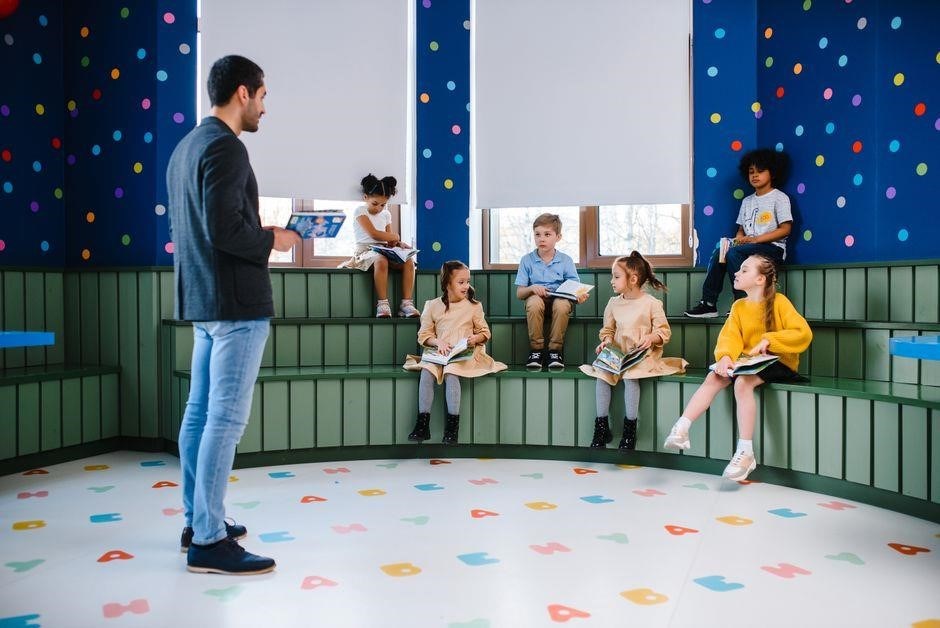
Main Activity (20–25 minutes) is the core of the guided reading lesson. The teacher circulates, using running records to monitor fluency, accuracy, and comprehension. Students read in small groups, applying decoding strategies, making predictions, and asking clarifying questions. The teacher prompts discussion with targeted questions, encourages peer collaboration, and records anecdotal notes on each child’s engagement and skill growth. This phase is scaffolded with incremental support—first a guided read, then a shared read, and finally an independent read—allowing the teacher to adjust the level of scaffolding based on real‑time data.
Wrap‑Up (5–7 minutes) consolidates learning. Students share a key takeaway, answer a reflection question, and complete a quick exit ticket that captures their understanding of the main idea or a new word. The teacher reviews the data collected, notes progress toward the objective, and plans next steps. This closing routine reinforces the lesson’s purpose and provides immediate feedback for both teacher and students. After the wrap‑up, the teacher reviews the lesson plan, adjusts objectives for the next session, and shares feedback with students. The teacher may also involve parents by sending a brief note summarizing student progress and home activities.
Tracking Progress and Adjusting Objectives
Teachers review running records, anecdotal notes, and reading logs to gauge progress. Data informs whether objectives are met or need adjustment. If students lag, objectives are refined to be more specific or scaffolded. Continuous monitoring ensures instruction remains responsive and effective!!!!
Data‑Driven Instruction and Individualized Feedback
In guided reading, data‑driven instruction begins with systematic collection of formative evidence—running records, anecdotal notes, and reading logs. Teachers analyze word‑recognition rates, comprehension questions, and fluency scores to identify specific skill gaps for each learner. This analysis informs the selection of next‑book levels and targeted interventions. Individualized feedback is delivered through brief, focused conferences where students receive concrete praise for strengths and actionable suggestions for improvement. For example, a child struggling with decoding may be guided to practice phoneme‑grapheme correspondence using a short, high‑frequency word list, while a reader who demonstrates good fluency but weak inference skills receives guided questions that prompt deeper meaning construction. Feedback is documented in a shared digital portfolio, allowing teachers, parents, and students to track progress over time. Regular data reviews—weekly or bi‑weekly—enable timely adjustments to objectives, ensuring that each lesson remains aligned with the learner’s evolving needs and the overarching curriculum standards. By embedding data‑driven decision making into the daily cycle, educators foster a culture of continuous improvement and personalized learning pathways. Teachers also use digital dashboards to visualize reading trajectories, enabling them to celebrate milestones and identify intervention points in real time. By doing so, instruction stays agile!

Resources and Toolkit for Guided Reading
Teachers can access a free guided reading toolkit featuring printable lesson plans, teacher notes, and sample reading logs. The kit includes leveled book lists, assessment templates, and activity ideas that align with standards. It supports differentiated instruction and data‑driven decision making;
Free Guided Reading Toolkit, Teacher Notes, and Sample Plans
The free guided reading toolkit offers a comprehensive suite of resources designed to streamline lesson planning and enhance instructional effectiveness. It includes downloadable lesson plans that outline clear objectives, scaffolded activities, and assessment checkpoints aligned with Common Core and state literacy standards.
Teacher notes provide concise, evidence‑based strategies for differentiating instruction, managing group dynamics, and integrating phonemic awareness activities for pre‑emergent readers. These notes also feature quick reference charts for fluency targets, comprehension questions, and vocabulary development techniques.
Sample plans illustrate a full lesson cycle—from initial assessment using running records to post‑reading reflection. Each plan incorporates data‑driven decision points, allowing teachers to adjust pacing and content based on individual student performance.
Additional tools include printable reading logs, anecdotal note templates, and formative assessment rubrics. The toolkit encourages a data‑rich classroom environment where teachers can track progress, set individualized goals, and provide targeted feedback.
All materials are freely accessible online, ensuring that educators at every level can implement guided reading with confidence and consistency.
Educators can customize the toolkit by adding notes, student work samples, progress charts. The online repository hosts downloadable PDFs, quizzes that reinforce key concepts support diverse learning styles!