Overview of Texas Affidavit of Heirship
Texas Affidavit of Heirship (Form 53‑111‑A) is a free PDF that identifies heirs when no probate is required. Download from Justia or the Texas state website. Fill in name, relationship, and property details, then notarize before filing with the county probate court. Use it to protect heirs now.

Purpose and Legal Basis
The Texas Affidavit of Heirship (Form 53‑111‑A) is a statutory instrument that allows parties to establish the identity and relationship of heirs to a decedent without initiating probate. Under Texas Estates Code § 2.001 and related provisions, the affidavit may be filed in any county probate court to satisfy the court’s requirement for a written statement of heirs when the estate is small or when the decedent died intestate and no formal administration is necessary. The affidavit serves as a legally recognized document that the heirs are identified, that the decedent’s property is to be divided among them, and that no other heirs exist. It is often used to transfer title of real property, bank accounts, or other assets that require proof of ownership. The form is available for free download in PDF format from state‑approved sources such as the Texas Secretary of State website and Justia. Once completed, the affidavit must be signed before a notary public, and the notarization is a critical component of its legal validity. The affidavit is then filed with the probate clerk, and the court may issue a certificate of heirs or a similar document that confirms the heirs’ rights to the estate. This process avoids the expense and time of a full probate proceeding while still providing a court‑approved record of the heirs’ claims to the estate. By filing the affidavit promptly, heirs can secure property titles, avoid probate fees, and ensure a smooth transition of assets to the next generation for parties.!
When It Is Used
In Texas, the Affidavit of Heirship is employed when a decedent’s estate is small, the heirs are known, and no formal probate is required. The form is also used when the decedent died intestate and the heirs wish to transfer title of real property, bank accounts, or other assets without a court‑ordered administration. Courts accept the affidavit as evidence of heirs’ rights, allowing the heirs to obtain a certificate of heirs or a deed of transfer. The affidavit is typically filed in the county where the decedent owned property or where the heirs reside. It is also useful in situations where the decedent’s will is missing, but the heirs can prove their relationship and claim to the estate. By filing the affidavit, heirs avoid probate fees, reduce litigation, and expedite the transfer of assets. The affidavit must be notarized and signed by all heirs, and the court may require additional documentation such as death certificates or proof of relationship. When the affidavit is accepted, the heirs receive a court order that confirms their ownership, enabling them to register titles and settle the estate efficiently. This streamlined process is especially valuable for families with limited assets or when the decedent left no will.

Form 53-111-A: Affidavit of Heirship PDF
Texas Form 53‑111‑A is a free PDF that lists heirs and property. Download from the Texas state site or Justia, fill in names, relationships, and assets, then notarize. Submit to the county probate court to confirm heirs and transfer titles without full probate. The form is also available a fillable PDF.
Official Source and Download
To obtain the Texas Affidavit of Heirship (Form 53‑111‑A) for free, begin by visiting the official Texas state court website or the Texas Judicial Branch portal. The form is posted in the “Forms” section under “Probate” and can be accessed directly via a secure link that opens a PDF viewer. Alternatively, the public‑access platform Justia hosts a copy of the same document, labeled “Affidavit of Heirship – Texas.” Both sources provide the exact same version, ensuring consistency with the Texas Estates Code. Click the “Download” button to save the PDF to your computer or device. The file size is typically under 200 KB, making it easy to print or fill electronically with a PDF editor. If you prefer a fillable version the Texas Judicial Branch offers an interactive PDF that allows you to type directly into the fields before printing. For those who need a hard copy the state’s court clerk’s office can also provide the form upon request, though this option may incur a nominal fee. Once downloaded review the instructions on the first page, which outline the required information and the notarization process. The form is free of charge, and no registration or account creation is necessary to access it. By downloading from an official source you guarantee that the document is up‑to‑date and compliant with current probate statutes. This step ensures that the affidavit will be accepted by any Texas county probate court without additional verification.
When printing, use an 8.5×11 inch sheet and ensure margins are set to default. Use it.
Key Sections and Information Required
The Texas Affidavit of Heirship (Form 53‑111‑A) is organized into distinct sections that guide the affiant through the process of identifying heirs and describing the decedent’s estate. The first section requests the case number, court name, and the full legal name of the estate, followed by the deceased’s full name and date of death. Next, the form requires a detailed list of heirs, each entry containing the heir’s full name, relationship to the deceased, current address, and date of birth. For each heir, the affiant must provide a brief description of any property or assets that the heir is entitled to inherit, such as real estate, bank accounts, or personal belongings. The affidavit also includes a statement of the affiant’s knowledge of the heirs, a declaration that the information is true and accurate, and a section for the affiant’s signature and date. Finally, the notarization block requires the notary public’s signature and seal, and the date of notarization. If the affiant is unsure about any heir’s eligibility, consulting a probate attorney can clarify potential disputes. The affidavit must be signed in the presence of a notary public, who will verify the affiant’s identity and witness the signature. Failure to follow these steps may result in the affidavit being deemed invalid by the court. Completing the affidavit accurately helps avoid delays in the probate process. The form also allows the affiant to list any known heirs who are absent or deceased, and to provide any supporting documents such as wills or prior probate orders if available. This ensures the heirs receive their rightful shares!

Completing and Notarizing the Affidavit
To complete the Texas Affidavit of Heirship, fill in all required fields, sign, and have it notarized. The notary must verify identity, sign, and affix the official seal; Only a licensed notary may notarize. After notarization, the affidavit is ready for court filing. Submit it to theprobate clerk now OK
Required Information for Heirs
The Affidavit of Heirship requires each heir to provide full legal name, address, date of birth, and relationship to the deceased. If the heir is a minor, the parent or guardian must sign. The affidavit must list all property owned by the decedent, including real estate, bank accounts, and personal belongings, with descriptions and estimated values. Heirs must also disclose any known debts or liens. The form demands a statement of the heirs’ knowledge of the estate’s assets and liabilities. Each heir must sign the affidavit in the presence of a notary public, who will verify identity and witness the signature. The notary must affix the official seal and sign the acknowledgment. The affidavit should be dated and the place of signing noted. After notarization, the document should be retained by the heirs and a copy filed with the county probate clerk. Failure to provide accurate information can invalidate the affidavit and delay estate administration.
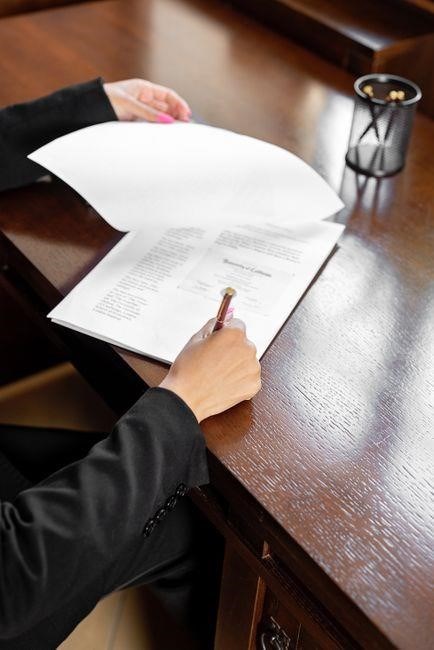
Heirs should also provide their Social Security numbers, state of residence, and any prior legal name changes. If there are multiple heirs, each must sign separately, and the affidavit must list the names and signatures in order. The document can be used to claim property, transfer titles, and settle debts without formal probate. The free PDF can be downloaded from Justia or Texas state website, filled electronically or printed, and then notarized. After notarization, heirs should keep a copy for records and file the original with county probate clerk to establish legal ownership of the estate’s assets!!.
Notarization and Witnessing Rules
To make a Texas Affidavit of Heirship valid, the affiant must appear before a licensed notary public. The notary verifies the affiant’s identity using a government‑issued photo ID, records the date of the notarization, and signs the acknowledgment. The affidavit must be signed by each heir in the presence of the notary; no one may sign on behalf of another. Texas law requires that the notary’s seal be affixed to the acknowledgment page, and the notary must provide a unique certificate number. The affidavit may not be notarized by a person who has a financial interest in the estate or who is a relative of the deceased. Witnesses are not required for the affidavit itself, but if a court later demands proof of the heirs’ intent, two witnesses may be called to confirm the affiant’s understanding of the document. The notary must also record the affiant’s signature on the acknowledgment page, and the affidavit should include the affiant’s full name, address, and the date and place of notarization. After notarization, the affidavit should be kept in a safe place and a copy filed with the county probate clerk. Failure to follow these notarization steps can render the affidavit void, delaying the transfer of property and the settlement of the estate. Proper notarization ensures that the heirs’ claims are legally enforceable and protects the estate from future disputes. All steps must be followed exactly to avoid legal complications. Consult a Texas attorney for personal guidance!!.

Submitting to Probate Court
File the notarized affidavit with the county clerk, pay the filing fee, and provide copies to all heirs. The court reviews for completeness and may request additional evidence. Once approved, the affidavit becomes public record, allowing heirs to claim property without formal probate. Keep copies
Filing Procedures in Texas Courts
To file an Affidavit of Heirship in Texas, begin by obtaining the official Form 53‑111‑A from the Texas state website or a trusted legal‑forms portal. Complete the form with accurate heir names, relationships, and property descriptions, ensuring no omissions. After signing, have the document notarized in the presence of a licensed notary public. Some counties also require witnesses; verify local rules. Bring the notarized affidavit, the original death certificate, and any supporting documents to the county clerk’s office. Pay the filing fee—usually a modest amount that varies by jurisdiction— and submit the affidavit for docketing. The clerk will assign a case number and record the filing in the public docket. Copies should be mailed or delivered to all heirs and any interested parties. If the court finds the affidavit complete and accurate, it will issue a docket entry confirming the heirs’ rights. This entry becomes part of the public record, allowing heirs to transfer or sell property without full probate. Keep a certified copy for your records and provide copies to banks, title companies, or other institutions that may require proof of heirship. If the court requests additional evidence, respond promptly to avoid delays. Once the affidavit is accepted, heirs may proceed with estate matters, such as title transfers or insurance claims, under the authority of the court‑recorded affidavit. All filings must be reviewed to ensure compliance with Texas statutes and rules!!
Common Mistakes and Legal Implications
One of the most frequent errors is omitting the full legal names of all heirs, which can render the affidavit void and trigger a costly re‑filing. Another pitfall is failing to list every piece of real or personal property, especially if the estate contains multiple assets; courts may reject the affidavit if it appears incomplete. Notarization is also a common oversight—an unsigned or improperly notarized document is considered invalid, leading to delays. Some filers mistakenly submit the affidavit without the original death certificate; the court requires this proof of death to accept the claim. Additionally, many heirs overlook the requirement to provide a clear description of the property, such as lot numbers or addresses, which can cause disputes over ownership. Finally, neglecting to include the county’s specific filing fee or submitting to the wrong clerk’s office can result in the document being returned or dismissed. Each of these mistakes can have serious legal implications: the heirs may lose the right to transfer titles, face prolonged probate proceedings, or be subject to penalties for filing incomplete or fraudulent documents. To avoid these risks, double‑check every field, verify local court rules, and keep copies of all supporting documents. Proper completion protects heirs’ interests and ensures a smooth transfer of assets without unnecessary court intervention.
Remember to double‑check spelling of names and dates; even a single typo can invalidate the affidavit; —

Additional Resources and FAQs
Free PDF from Justia, Texas.gov, and legalforms.com. Check FAQs: eligibility, notarization, filing fees. Use state court website for updates. Contact county clerk for guidance. For assistance, email clerk@county.gov or call 555‑123‑4567. See Probate Rules. OK
Free Legal Forms Websites
Free Texas Affidavit of Heirship PDFs are available from reputable sites such as Justia, Texas.gov, and LegalForms.com. Each portal hosts the current 53‑111‑A form, downloadable as a print‑only PDF or an interactive fillable version. Justia’s “Free Legal Forms” section allows users to view, download, or purchase a PDF. Texas.gov provides the form in its “Forms & Publications” area, ensuring compliance with the latest statutory changes. LegalForms.com offers a quick link to the same form, often paired with a brief completion guide. These PDFs are free to download and can be printed or filled electronically, making the process convenient for heirs.

Verify the PDF’s currency by checking the “Last Updated” date on the title page or the website’s metadata; older versions may lack recent amendments. Sites include a PDF viewer for previewing layout and field names before downloading. A printable version remains available for those who prefer manual filling. The preview feature allows users to verify field names and formatting before printing, ensuring the affidavit meets court standards.
The checklist highlights any documents, helping heirs avoid delays when submitting the affidavit to the county probate court. The checklist also lists any required supporting documents. It also lists any required supporting documents.
If a fillable PDF is unavailable, the printable version can be completed and notarized before filing. This ensures the affidavit is notarized correctly before submission.

Choosing a reputable source guarantees the latest form, clear guidance, and an optional interactive option, enabling heirs to prepare the affidavit confidently and comply with Texas probate law. Heirs submit the affidavit to court.

Frequently Asked Questions about Affidavit
Q1: Can I download the Texas Affidavit of Heirship for free? A: Yes. The form (53‑111‑A) is publicly available on Justia, Texas.gov, and other legal‑form sites. No fee is required for the PDF download.
Q2: Do I need to fill the affidavit electronically? A: No. The printable PDF can be printed, handwritten, and notarized. An interactive PDF is optional for convenience.
Q3: Is notarization mandatory? A: Yes. The affidavit must be signed in the presence of a notary public. Some courts also require a witness, so check local rules.
Q4: What if I discover a mistake after notarization? A: A corrected affidavit must be re‑notarized. Some counties allow a simple correction form, but the original notarized copy remains valid until replaced.
Q5: When should I file the affidavit with the probate court? A: File after the death is recorded and no formal probate is needed. The court will accept the affidavit to establish heirs and transfer property.
Q6: Can the affidavit be used for all types of property? A: It is generally accepted for real estate, bank accounts, and other assets. However, certain assets may require additional documentation.
Q7: How long does the affidavit stay valid? A: Once filed, it remains on record. Future heirs may need to amend it if new heirs are discovered. Contact an attorney for guidance.