Craftsman Garage Door Opener Troubleshooting Manual: A Comprehensive Guide
This comprehensive manual assists new owners in understanding their Craftsman garage door opener wiring, ensuring optimal performance and longevity of the system.
Understanding Your Craftsman Opener System
Craftsman garage door openers are complex systems integrating mechanical, electrical, and safety components for convenient access to your home. Familiarizing yourself with these core elements is crucial for effective troubleshooting. The system typically includes a motor unit housing the drive mechanism – either a belt, chain, or screw – responsible for lifting and lowering the door.
Safety sensors, vital for preventing accidental closures, utilize infrared beams to detect obstructions. A logic board acts as the ‘brain’, interpreting signals from remotes, wall buttons, and sensors. Understanding how these parts interact is key. Most modern openers feature rolling code technology, enhancing security by changing the access code with each use. Knowing your specific model’s features, as detailed in its manual, will significantly aid in diagnosing and resolving issues, ultimately saving time and potential repair costs.
Identifying the Model Number
Locating your Craftsman garage door opener’s model number is the first step towards effective troubleshooting and accessing specific support resources. This unique identifier unlocks access to the correct parts diagrams, manuals, and troubleshooting guides tailored to your unit. The model number is typically found on a sticker affixed to the opener’s motor unit.
Common locations include the inside of the motor housing, on the rail, or on the back panel. It’s usually a combination of numbers and letters. Carefully note this number, as it’s essential when ordering replacement parts or contacting Craftsman customer support. Without the correct model number, you risk receiving incompatible components or inaccurate advice. Keep this number readily available for future reference, ensuring a smoother experience when addressing any operational concerns with your garage door opener system.
Safety Precautions Before Troubleshooting
Prioritizing safety is paramount before attempting any troubleshooting on your Craftsman garage door opener. Disconnect the power supply to the opener at the circuit breaker to prevent accidental operation during inspection or repair. Never work under a partially open door, as the system could unexpectedly close, causing serious injury.
Secure the door in the open position using clamps or a sturdy support if you need to work near it. Avoid removing or disabling safety sensors without understanding their function, as they are crucial for preventing accidents. If you are uncomfortable with electrical work or mechanical repairs, it’s best to consult a qualified professional. Always wear appropriate safety glasses and gloves during inspection. Remember, a malfunctioning opener can be dangerous; proceed with caution and respect for potential hazards.

Common Craftsman Garage Door Opener Problems
Frequently encountered issues include doors failing to close, reversing unexpectedly, blinking lights, and remote controls becoming unresponsive—all requiring careful diagnosis.
Door Won’t Close
If your Craftsman garage door refuses to close, begin with a thorough visual inspection of the track for any obstructions like debris or physical damage. Ensure nothing is blocking the door’s path, as even small items can trigger safety features. Next, verify the safety sensors are aligned and free from dirt; misaligned sensors are a common culprit.
Check the manual release cord – ensure it isn’t engaged, as this disconnects the door from the opener. A faulty power supply can also prevent operation, so confirm the outlet is working. If the opener light is off, investigate the circuit breaker. Finally, examine the limit switches; incorrect settings can prevent full closure. Remember, a properly functioning opener relies on all components working in harmony, so methodical checking is key to resolving this issue.
Door Reverses After Closing
A garage door reversing after closing usually indicates a problem with the safety sensors or the force settings on your Craftsman opener. Start by meticulously checking the alignment of the safety sensors; even slight misalignments can cause this issue. Clean the sensor lenses with a soft cloth, removing any dust or debris.
Next, adjust the force settings – located on the opener unit – to slightly increase the closing force. Be cautious not to overdo it, as excessive force can be dangerous. Inspect the door itself for obstructions or binding points along the track. A sticking door can trigger the safety mechanism. Finally, verify the limit switches are correctly set, preventing the opener from thinking the door has encountered resistance. Addressing these areas systematically will likely resolve the reversing issue.
Opener Light Blinks
A blinking opener light on your Craftsman unit often signals a diagnostic code, indicating a specific problem within the system. The number of blinks and the pattern are crucial for identifying the issue. Consult your opener’s specific model manual to decipher the code – it could relate to safety sensors, limit switches, or even the motor itself.

Begin by checking the safety sensors, ensuring they are properly aligned and free of obstructions. A common cause is a loose wire connection, so inspect all wiring within the opener unit. If the light continues to blink after these checks, the problem may be more complex, potentially requiring a logic board diagnosis or professional assistance. Ignoring a blinking light can lead to further damage or safety hazards.
Remote Control Not Working
When your Craftsman remote control fails to operate, several factors could be at play. The most common issue is depleted batteries; always start by replacing them with fresh ones. If new batteries don’t resolve the problem, the remote may need reprogramming to re-establish communication with the opener unit. Refer to your owner’s manual for the specific reprogramming procedure for your model.
Interference from other devices can also disrupt the signal. Try operating the remote closer to the garage door opener. Check for potential sources of interference like LED lights or other wireless devices. If issues persist, the receiver within the opener unit might be faulty, necessitating professional repair or replacement.

Detailed Troubleshooting Steps
Systematic diagnosis is key; begin with power checks, safety sensor alignment, limit switch inspection, and drive component assessments for effective resolution.
Checking the Power Supply
Begin by verifying the garage door opener receives consistent power. First, ensure the outlet is functioning correctly by plugging in another device. Next, inspect the circuit breaker dedicated to the garage door opener within your electrical panel; a tripped breaker indicates an overload or short circuit, requiring a reset.
Carefully examine the power cord for any visible damage, such as cuts or fraying, which could interrupt the power supply. If the outlet and breaker are fine, and the cord is intact, check the GFCI (Ground Fault Circuit Interrupter) outlet, often found in garages and near water sources, as these can sometimes trip unexpectedly.
Finally, confirm the opener’s internal wiring hasn’t become loose or disconnected. Disconnect power before inspecting internal components for safety. A multimeter can be used to test voltage at various points, but only if you are comfortable and knowledgeable with electrical testing procedures.
Examining the Safety Sensors
Craftsman garage door openers utilize safety sensors to prevent the door from closing on obstructions. Begin by visually inspecting the sensors, located near the floor on either side of the door, for any dirt, debris, or misalignment. Clean the lenses with a soft cloth; even a thin layer of dust can interfere with the infrared beam.
Ensure the sensors are properly aligned, facing each other directly. Most sensors have indicator lights; if one or both lights are off, it signals misalignment or a blockage. Carefully adjust the sensor brackets until both lights illuminate steadily.
Test the sensors by interrupting the beam while the door is closing. The door should immediately reverse. If it doesn’t, check the wiring connections to the sensors and the opener unit for looseness or corrosion. A faulty sensor may require replacement.
Inspecting the Limit Switches
Craftsman garage door openers employ limit switches to define the fully open and fully closed positions of the door. Incorrectly adjusted limit switches can cause the door to reverse unexpectedly or fail to close completely. Locate the limit adjustment screws on the opener unit – typically small dials or screws near the motor.
Begin by disconnecting the opener from power. Carefully adjust the “up” and “down” limit screws in small increments, testing the door’s travel after each adjustment. The door should smoothly reach its desired limits without reversing prematurely.
If the door reverses immediately after hitting the floor, the down limit switch needs adjustment. Conversely, if it doesn’t fully open, adjust the up limit switch. Always prioritize safety and avoid over-tightening the screws.
Testing the Drive Belt/Chain
The drive belt or chain transmits power from the motor to the door itself; a compromised drive system significantly impacts operation. Visually inspect the belt or chain for signs of wear, fraying, cracking, or excessive slack. A worn belt may exhibit glazing or missing teeth, while a chain should be properly lubricated and free of rust.
Disconnect the opener’s power before any physical inspection. Gently tug on the belt or chain to assess its tension. Excessive slack indicates a need for adjustment or replacement. If the belt feels brittle or the chain is stiff, replacement is recommended.
Proper tension is crucial for smooth operation. Consult your opener’s manual for specific tensioning instructions. A damaged or improperly adjusted drive system can lead to opener failure and door malfunction.
Analyzing the Motor
The motor is the heart of your Craftsman opener, and diagnosing motor issues requires careful attention. Begin by listening for unusual noises – humming, grinding, or clicking – during operation. A humming sound with no movement often indicates a capacitor problem, while grinding suggests worn gears.
Always disconnect power before inspecting the motor. Check the motor windings for signs of overheating or burning smells. Use a multimeter to test for continuity, confirming the windings haven’t failed. If the motor runs but lacks power, the capacitor may be faulty and require replacement.
Motor issues can be complex; professional diagnosis is often recommended. Attempting repairs without proper knowledge can be dangerous and void warranties. Consider the age of the opener; replacement might be more cost-effective than a major motor repair.

Remote Control Specific Issues
Addressing remote control problems involves battery checks, reprogramming procedures, and identifying potential interference sources impacting signal transmission to the opener.
Replacing Remote Batteries
Begin by carefully opening the remote control casing, typically utilizing a small screwdriver or by gently prying it open at the seam. Note the battery orientation before removal for correct reinstallation. Most Craftsman remotes utilize standard alkaline batteries, often CR2032 or similar, but always verify the correct type specified within the battery compartment or the opener’s manual.
Ensure you replace all batteries simultaneously, even if only one appears depleted, to maintain consistent performance. Insert the new batteries, strictly adhering to the polarity markings (+ and -) indicated inside the casing. A misaligned battery can damage the remote or prevent operation. Once batteries are securely in place, carefully reassemble the remote casing, ensuring a snug fit.
After battery replacement, test the remote’s functionality by pressing the operate button. If the door doesn’t respond, double-check battery polarity and consider reprogramming the remote, as detailed in the following section.
Reprogramming the Remote
To reprogram your Craftsman remote, locate the “Learn” button on your garage door opener motor unit – it’s usually yellow or orange. Press and release this button; a small LED indicator light will illuminate, signaling the opener is in programming mode. Within 30 seconds, press and hold the desired button on your remote control until the garage door opener light flashes, confirming successful programming.
If you have multiple remotes, repeat this process for each one, ensuring each remote is programmed to the correct opener. Some models may require you to press the “Learn” button multiple times, once for each remote. If programming fails, ensure there’s no interference from other wireless devices and that the remote batteries are fresh.
Consult your opener’s specific manual for detailed instructions, as programming procedures can vary slightly between models;
Checking for Interference
Remote control issues can often stem from wireless interference. Common culprits include LED light bulbs, particularly newer energy-efficient models, and other radio frequency (RF) devices operating on similar frequencies. To test for interference, temporarily disable or remove potential sources near the garage door opener.
Try operating the remote from various locations within the garage and outside to pinpoint if the signal is blocked or weakened in specific areas. If the remote functions correctly when interference is removed, consider relocating the interfering device or switching to shielded LED bulbs.
Also, check for nearby wireless routers, baby monitors, or other electronic equipment that could be disrupting the signal.
Advanced Troubleshooting & Repair
Complex issues may require diagnosing the logic board or interpreting wiring diagrams; however, professional assistance is often the safest and most effective solution.
Diagnosing Logic Board Issues
The logic board is the “brain” of your Craftsman garage door opener, controlling all functions. When experiencing erratic behavior, like inconsistent responses or complete failure, the logic board is a prime suspect. Visual inspection should be the first step; carefully examine the board for any burnt components, swollen capacitors, or damaged traces.
Testing voltage levels at designated test points (refer to your specific model’s wiring diagram) can reveal power supply problems to the board. A multimeter is essential for this. If the board receives power but still malfunctions, component-level testing may be necessary, requiring advanced electronics knowledge. Replacing the entire logic board is often more practical and cost-effective than attempting intricate repairs, especially for those without extensive experience. Always disconnect power before working on the logic board!
Understanding Wiring Diagrams (Craftsman Specific)
Craftsman garage door openers utilize specific wiring diagrams that are crucial for troubleshooting and repair. These diagrams, often found on a sticker inside the opener unit or available online via the model number, illustrate the connections between all components – the motor, safety sensors, limit switches, remote receiver, and power supply.
Understanding the symbols used is key; a solid line represents a direct connection, while a dashed line might indicate a signal wire. Color-coding is also vital; Craftsman typically uses consistent color schemes for power, ground, and control wires. Before attempting any electrical work, carefully study the diagram for your specific model. Incorrect wiring can cause malfunctions or even create a safety hazard. Always disconnect power before working with wiring, and double-check connections before restoring power.
When to Call a Professional
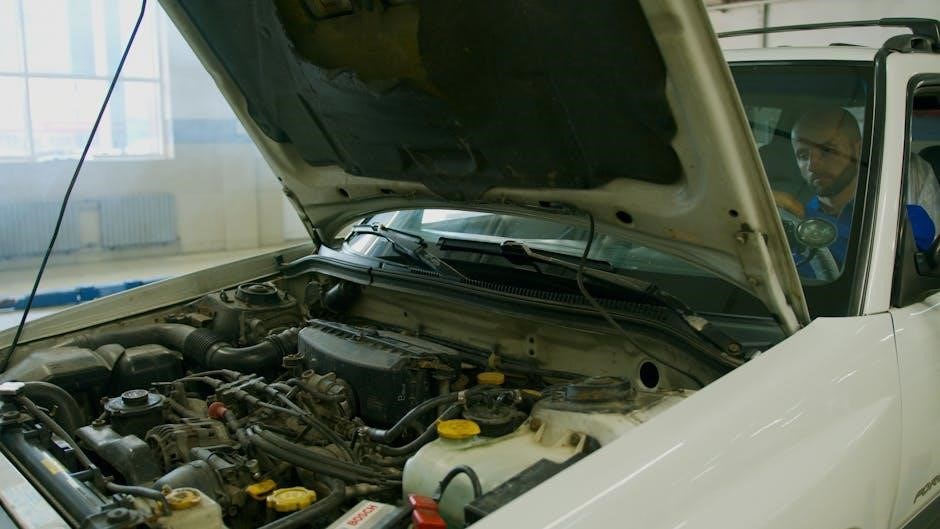
While many Craftsman garage door opener issues are DIY-friendly, certain situations demand a qualified technician’s expertise. If you’ve exhausted troubleshooting steps and the opener still malfunctions, or if you suspect a major component failure like the motor or logic board, it’s time to call for help.
Electrical issues beyond simple wiring checks should always be handled by a professional to prevent shocks or fire hazards. Similarly, problems involving the garage door springs or cables are extremely dangerous and require immediate professional attention. Ignoring these issues can lead to severe injury or property damage. Don’t hesitate to seek expert assistance – a professional can accurately diagnose complex problems and ensure a safe, reliable repair.